Posts

The Relationship Between Amino Acids and the Immune System

Image
Amino acids are the building blocks of proteins and play a crucial role in various physiological processes in the body. There are 20 different types of amino acids, including 9 essential amino acids that the body cannot produce on its own and must be obtained through diet. Amino acids are involved in forming muscles, tissues, and organs, as well as in synthesizing hormones, enzymes, and neurotransmitters. Some amino acids can also support immune function by enhancing the production of immune cells and antibodies. This blog will explore the connection between amino acids and the immune system in more detail. Understanding the Immune System and Its Importance The immune system is a complex network of cells, tissues, and organs that work together to defend the body against infections and diseases. It comprises various immune cells, such as white blood cells, antibodies, and cytokines, which work together to identify and eliminate harmful pathogens, including viruses, bacteria, and parasit...

The Importance of Vitamin D3 for Overall Health

Image
Introduction: Understanding the Role of Vitamin D3 in Our Body Vitamin D3, the sunshine vitamin, is vital in maintaining our health. It helps our bodies absorb calcium, essential for strong bones, teeth, and muscles. Vitamin D3 also supports our immune system, helps regulate insulin levels, and reduces inflammation. While we can get some vitamin D from food sources, our bodies primarily produce it when our skin is exposed to sunlight. However, many people need more vitamin D, especially those who live in areas with limited sunlight or spend most of their time indoors. In such cases, taking vitamin D3 supplements may be necessary. What is Vitamin D3 and How Does it Work? Vitamin D3 , also known as cholecalciferol, is a type of vitamin D produced by the body in response to sunlight exposure or obtained through diet and supplements. It plays a crucial role in the absorption of calcium and phosphorus in the body, helping to maintain strong bones and teeth. Vitamin D3 also regulates the imm...
Image
  A Primer on Understanding the Labeling of Nutritional Products A supplement to a healthy diet can be beneficial, but it is important to read and comprehend the labels before making a purchase. The components, dosage, benefits, and hazards of a supplement are all listed on the label. If you know what to look for on these labels, you may select the most appropriate supplements for your needs and utilise them in a responsible manner. In this article, we will discuss the most important aspects of supplement labels and offer advice on how to decipher the data they present. Meal Portions and Dose What amount and how often a supplement should be taken can be seen on the label. In order to avoid unintentional over- or underdosing, it is crucial to follow the prescribed dosage instructions. Check the supplement's label for the recommended serving size, as it may differ based on the supplement's strength. Taking some supplements at specific times of day or with specific meals is also r...

The Power of Vitamin C for Healthy Skin

Image
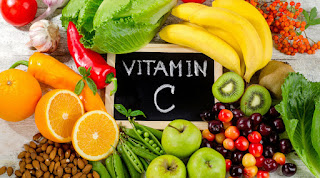
Vitamin C is an essential nutrient that plays a crucial role in maintaining healthy skin. It is a powerful antioxidant that helps to protect the skin from free radicals, which can damage skin cells and cause premature aging. Vitamin C also stimulates collagen production, which is essential for keeping skin firm and smooth. Additionally, it has been shown to reduce hyperpigmentation and improve overall skin tone. In this blog post, we will explore the benefits of vitamin C for skin health and provide tips for incorporating it into your skincare routine. How Does Vitamin C Benefit the Skin? Vitamin C offers a range of benefits for the skin, including its ability to promote collagen synthesis, which helps to maintain skin elasticity and firmness. Vitamin C is a potent antioxidant, neutralizing free radicals that can cause skin damage and premature aging. It can help to reduce inflammation and redness, even out skin tone, and improve overall skin texture. Additionally, vitamin C may assist...

Can Anti-Fatigue Vitamins Be Found in Multivitamins?

Image
 Fatigue can be brought on by anything from mental or physical strain to poor diet or sleep habits to medical illnesses like anaemia or thyroid problems. Taking a multivitamin, which typically contains B vitamins, C, vitamin D, iron, and magnesium, can be helpful in fighting weariness. Increased vitality and less weariness may result from the beneficial effects of these nutrients on cellular metabolism, blood vessel health, and inflammation. Recognizing the Importance of Nutrients in Energy Generation The creation of energy is a multistep process that needs numerous nutrients to run well. Vitamins like B are crucial for the metabolism of fuel sources like carbs, lipids, and proteins. Blood flow is dependent on collagen, which is produced with the help of vitamin C and used to fuel the body's glucose metabolism. Both iron and magnesium are required for the synthesis of ATP, the fundamental energy currency of cells. Getting enough of these and other nutrients from a healthy diet or ...

Can Multivitamins Help Combat Fatigue?

Image
Various factors, including stress, lack of sleep, poor nutrition, and medical conditions such as anemia or thyroid disorders, can cause fatigue. Multivitamins can help combat fatigue by providing essential nutrients for energy production, such as B vitamins, C, vitamin D, iron, and magnesium. These nutrients help convert food into energy, support healthy blood flow, and reduce inflammation, all of which can contribute to higher energy levels and reduced fatigue. Understanding the Role of Nutrients in Energy Production Energy production is a complex process that requires a variety of nutrients to function correctly. B vitamins, for example, are essential for metabolizing carbohydrates, fats, and proteins, which provide the body with energy. Vitamin C helps convert glucose into energy and supports the production of collagen, which is necessary for healthy blood flow. Iron is needed to transport oxygen throughout the body, while magnesium is essential for synthesizing ATP, the primary e...

Vitamin C: A Magic way to Healthy Brain

Image
  Do you ever feel like your brain isn't functioning at its best? Stress, lack of sleep, and an improper diet lead to foggy thinking. Fortunately, there are a few ways to boost brain function. One of these steps is Vitamin C consumption. Vitamin C is a necessary ingredient for brain function and can help keep your mind alert and active. What is Vitamin C? Vitamin C (ascorbic acid) is a water-soluble vitamin necessary for humans. It is considered among the most powerful antioxidants in the body and aids in protecting cells from damage. Vitamin C helps in collagen production, which is necessary for healthy skin, bones, and connective tissue. Vitamin C is present in a variety of fruits and vegetables. Oranges, grapefruits, kiwis, strawberries, bell peppers, broccoli, and Brussels sprouts are all rich sources of vitamin C. It is also available as a supplement. Importance of Brain Health Brain health is essential for overall health and well-being. It is necessary to protect your brain f...